
When industrial projects demand precise redirection of fluid or gas flow, a reliable pipe bending service becomes indispensable. Whether you are constructing a massive chemical plant or installing a complex HVAC system, the quality of your pipe bends directly affects operational efficiency and safety. This guide explores the fundamentals of pipe bending, the available techniques, and the critical factors that separate a professional pipe bending service from amateur work.
What is a Bend in a Pipe?
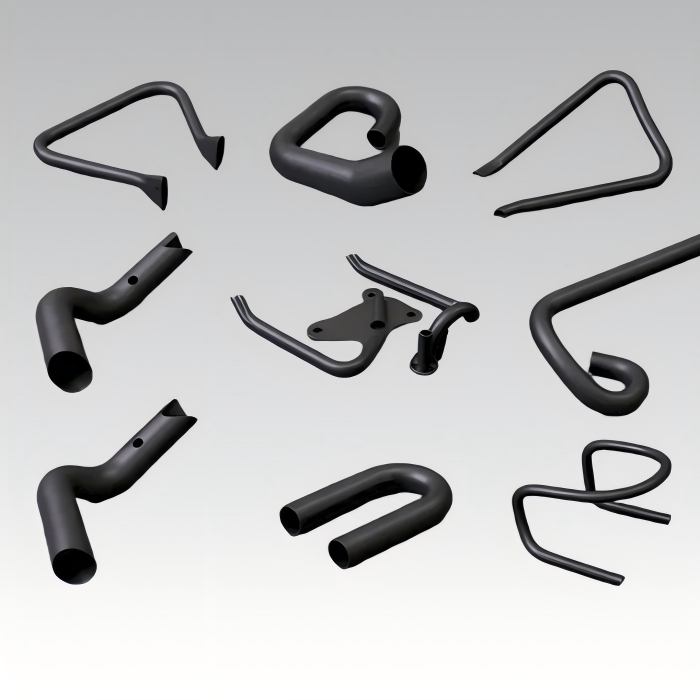
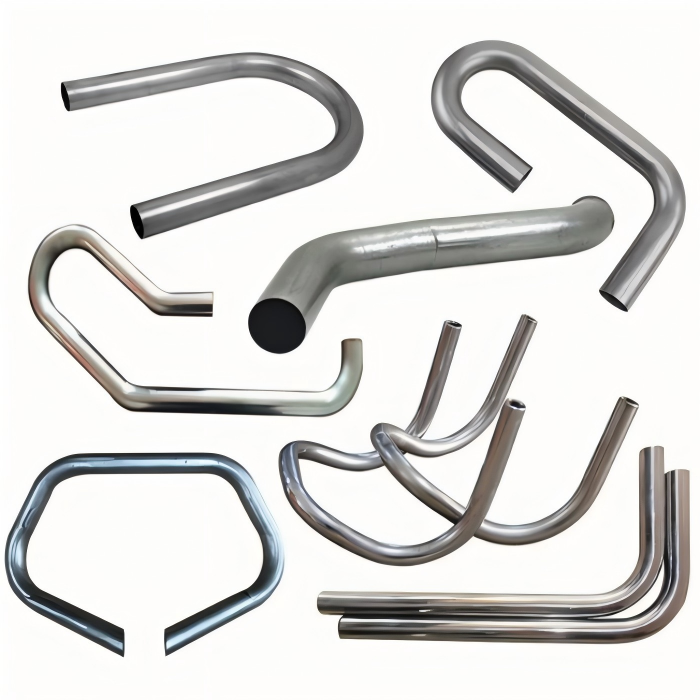
In the context of a professional pipe bending service, a bend is defined as a permanent, controlled deformation of a pipe’s axis to achieve a specific directional change. Unlike standard fittings such as elbows, which are manufactured as separate components and welded or threaded into place, a bend is formed directly from the pipe itself.
A bend is characterized by three key parameters: the bend angle, the centerline radius (CLR), and the wall thickness. During the bending process, the outer wall of the pipe experiences tension and thins out, while the inner wall undergoes compression and may thicken or wrinkle if not properly supported. A high-quality pipe bending service uses precise engineering calculations to manage these material stresses, ensuring that the final product meets strict dimensional and structural requirements.
Why is Pipe Bending Important?
The importance of pipe bending extends far beyond simple convenience. In fact, choosing a professional pipe bending service over a system built with multiple fittings offers several critical advantages.
First and foremost, bending reduces the number of joints in a pipeline. Every welded or threaded joint is a potential failure point. By using a continuous bent pipe, you minimize leakage risks, which is especially vital in high-pressure or hazardous material applications.
Second, bent pipes offer superior flow characteristics. Sharp elbows create turbulence and pressure drops, forcing pumps and compressors to work harder. A smooth, gradual bend maintains laminar flow, reducing energy consumption and extending equipment life. This is why industries such as oil and gas, power generation, and aerospace rely heavily on specialized pipe bending service providers to optimize their fluid handling systems.
Finally, pipe bending is essential for space-constrained installations. In modern industrial environments, equipment must often fit into tight footprints. Custom bends allow pipes to navigate around structural obstacles, making the best use of available space without compromising performance.
What Are the Two Methods of Bending Pipes?
A professional pipe bending service typically offers two primary categories of bending techniques: Cold Bending and Hot Bending. Understanding these methods helps clients choose the right approach for their specific project needs.
Cold Bending:
Cold bending, also known as mechanical bending, is performed at ambient temperature. This method is widely used because it is cost-effective and suitable for a broad range of materials, including carbon steel, stainless steel, and copper.
- Process: The pipe is clamped into a bending machine and forced around a stationary die or former. To prevent collapse or wrinkling, a mandrel (an internal support rod) is often inserted into the pipe during the process. This variant is called mandrel bending and is a hallmark of premium pipe bending service.
- Advantages: No heating equipment is required, which reduces energy costs. The process is faster, and there is no heat-affected zone, so the material’s original mechanical properties are preserved.
- Limitations: Cold bending is generally limited to pipes with a wall thickness-to-diameter ratio that allows sufficient ductility. Tighter radii may cause ovalization or excessive wall thinning.
Hot Bending:
Hot bending involves elevating the pipe’s temperature to make the material more pliable before applying the bending force. The most advanced form is induction bending, where a localized section of the pipe is heated using an induction coil.
- Process: The pipe is heated to a carefully controlled temperature (typically 850°C to 1,100°C) and then bent around a fixed radius while being rapidly cooled with water or air.
- Advantages: This method allows for bending large-diameter, thick-wall, or high-strength alloy pipes that would crack under cold conditions. It also enables tighter radii with minimal ovality.
- Limitations: Hot bending is more expensive and slower than cold bending. Additionally, the heat treatment cycle may require post-bend normalization or tempering to restore material properties, which adds to the overall lead time.
What is the Correct Bending Method?
This is a question that every client should ask when evaluating a pipe bending service. The correct bending method is not universal—it depends on the pipe material, wall thickness, bend radius, and application requirements.
For thin-wall tubes and standard diameters, the correct method is typically cold mandrel bending. This approach ensures a smooth, wrinkle-free interior surface, which is critical for hygienic applications like food processing or pharmaceutical lines.
For heavy-wall pipes, large diameters, or exotic alloys, the correct method is almost always induction (hot) bending. This method maintains structural integrity even under extreme conditions, making it the preferred choice for power plants, subsea pipelines, and refinery projects.
However, the “correct” method also depends on the capabilities of the pipe bending service provider. A reputable provider will conduct a thorough analysis of your specifications—including bend radius, wall thickness reduction limits, and springback compensation—before recommending a process. They will also perform sample bends on scrap material to fine-tune the machine settings, ensuring that the final production run meets your exact tolerances.
What Are Common Mistakes When Bending Pipes?
Even with a professional pipe bending service, mistakes can happen if the process is not carefully managed. Being aware of these common pitfalls helps you ask the right questions when selecting a service provider.
Underestimating Springback:
Every pipe has a tendency to return slightly toward its original shape after bending. This is called springback. Failing to compensate for springback results in bends that fall short of the required angle. A skilled pipe bending service uses precise calculations and test bends to determine the exact overbend needed for each material batch.
Inadequate Internal Support:
Without proper mandrel support, the inner wall of the bend can collapse or develop wrinkles. This not only creates a poor aesthetic finish but also introduces stress concentrators that may lead to cracking under pressure. Quality pipe bending service providers always use correctly sized mandrels for cold bends.
Ignoring Wall Thinning Limits:
As the outer wall stretches, it becomes thinner. If the bend radius is too tight, the wall may thin beyond acceptable safety margins, compromising the pipe’s pressure rating. Responsible pipe bending service operators monitor wall thickness throughout the process and reject any pieces that fall below specified limits.
Using Wrong or No Lubrication:
In cold bending, proper lubrication is essential to reduce friction between the pipe and the die. Insufficient lubrication causes galling (surface scoring), which weakens the pipe and ruins its surface finish. A professional pipe bending service uses application-specific lubricants to protect both the pipe and the machinery.
Forcing the Material:
Attempting to bend a pipe that is too thick, too hard, or too cold for the available equipment can lead to catastrophic fracture. This mistake often occurs when using undersized or poorly maintained machinery. Reputable pipe bending service shops maintain a range of machines with different tonnage capacities and never push equipment beyond its safe operating limits.
Real-World Case Study: Pipe Bending Service in Action
To better illustrate the value of a professional pipe bending service, let us examine a real-world scenario involving a mid-sized oil and gas equipment manufacturer.
The Challenge:
The client needed to produce a series of stainless steel piping assemblies for a subsea pressure control system. The specification required 180-degree return bends with a centerline radius of just 2.5 times the pipe diameter—a very tight radius for the 6-inch Schedule 80 stainless steel pipe they were using. The client had initially attempted to produce these bends using an off-the-shelf elbow and welding approach, but the resulting assembly had too many weld joints, which increased inspection costs and raised concerns about long-term corrosion resistance in the seawater environment.
The Solution:
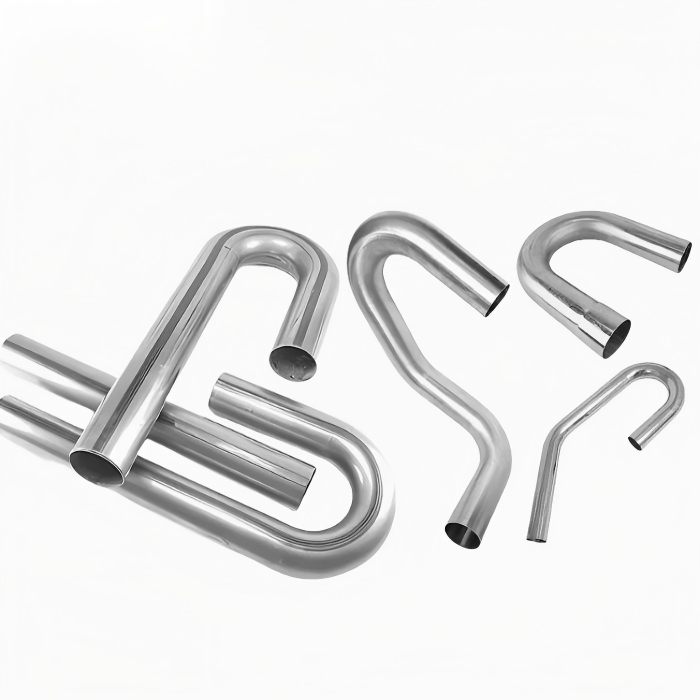
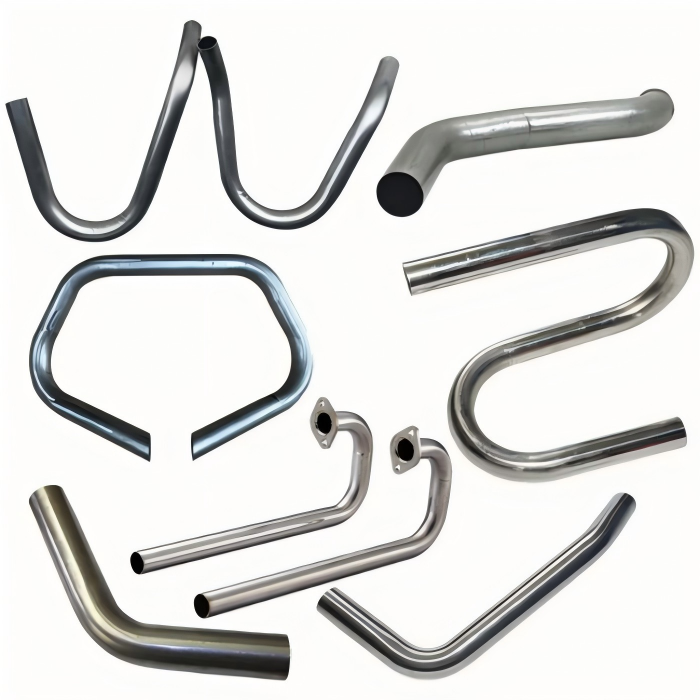
The client engaged a specialized pipe bending service provider with induction bending capabilities. The provider conducted a thorough material analysis and determined that hot induction bending was the correct bending method for this application. Using precise temperature control and a custom-designed induction coil, the pipe bending service team produced each 180-degree bend in a single continuous piece, eliminating four weld joints per assembly.
To ensure quality, the provider performed ultrasonic wall thickness measurements on every bend, confirming that wall thinning remained within the acceptable 10% limit. They also used laser measurement systems to verify that the bend angle and radius met the client’s strict tolerances.
The Results:
By choosing a professional pipe bending service, the client achieved:
- 50% reduction in weld joints, drastically lowering the risk of leakage and corrosion.
- 30% faster assembly time, as the one-piece bends required less fitting and welding labor.
- Full compliance with subsea industry standards, passing third-party inspection without any rework.
- Cost savings of approximately 18% compared to the original welded-elbow approach, when factoring in reduced labor, inspection, and material handling costs.
This case demonstrates that the right pipe bending service is not just about shaping metal—it is about solving engineering challenges, improving reliability, and delivering measurable economic benefits.
How to Choose a Reliable Pipe Bending Service?
Given the technical complexity and potential risks, selecting the right pipe bending service is a critical decision. Here are key factors to evaluate:
- Experience and References: Look for a provider with a proven track record in your specific industry.
- Equipment Capabilities: Ensure they have both cold and hot bending equipment, as well as mandrels and dies for your pipe sizes.
- Quality Control: Ask about their inspection procedures—do they measure wall thickness, ovality, and angle tolerance on every bend?
- Lead Time and Capacity: Confirm they can meet your production schedule without rushing the job.
Final Recommendations:
Whether you are designing a new piping system or replacing an existing one, investing in a professional pipe bending service pays off in the long run. Properly bent pipes reduce maintenance costs, improve flow efficiency, and eliminate thousands of potential leak points.
When discussing your project with a provider, remember to clarify the required bend radius, material grade, and acceptable tolerances. A good provider will walk you through the trade-offs between cold and hot bending, ensuring you get the optimal balance of quality and cost.
Ultimately, the correct bending method is the one that preserves the structural integrity of your pipe while meeting your functional requirements. By avoiding the common mistakes outlined above and partnering with a qualified pipe bending service, you can ensure your project runs smoothly, safely, and on schedule.


